n consumer electronics and automotive manufacturing, precision injection molding quality directly determines product lifespan and market competitiveness – yet issues like sink marks, dimensional deviations, and flash caused by process variations persistently challenge manufacturers. With 15 years of specialized expertise, Dongguan Baihao has proven that scientific methodology is key to breaking yield barriers. Through systematic process optimization, we’ve achieved:
±0.02mm dimensional stability for automotive connectors
99.3% yield rate for electronic housings
Consumer electronics demand extreme thinness and aesthetics – 0.1mm weld lines or minor warpage can scrap entire batches. Automotive parts endure -40°C to 120°C environmental stresses, requiring exceptional material weather resistance and dimensional stability. Traditional "trial-and-error" methods fall short against:
Miniaturization: Wall thickness <1mm requiring precise melt flow control
Multi-Material Applications: Flame-retardant PC to glass-filled nylon – each needing customized process windows
Zero-Defect Standards: Automotive PPAP documentation requiring full-process stability verification
Overcoming these demands a shift from experience-based to data-driven process control.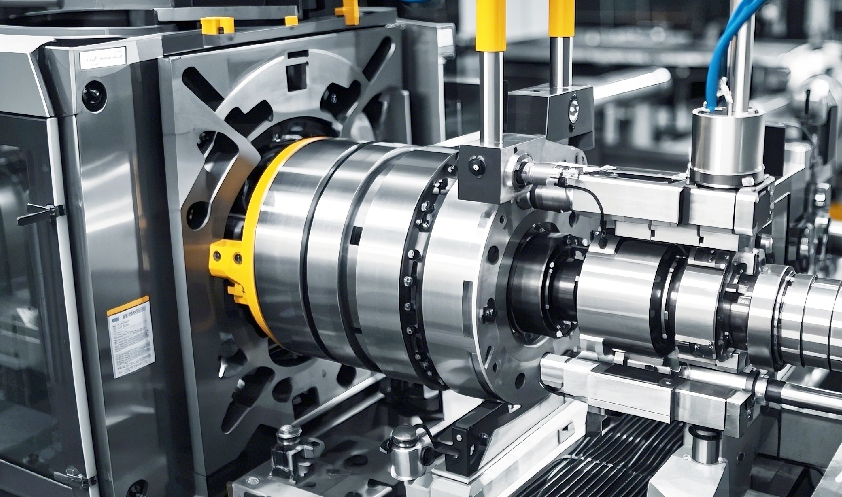
Through stepwise velocity tests (e.g., 30-90mm/s in 5 stages), we plot melt viscosity vs. injection speed. The optimal range is the plateau zone (<5% viscosity variation). Example: 65mm/s baseline speed for automotive relays ensures stability amid parameter fluctuations.
Testing an 8-cavity connector mold revealed 12% faster filling in Cavity 3. Root causes:
0.15mm gate size deviation (corrected via EDM)
Uneven venting depth (0.02mm delta)
Solution: Runner sizing compensation reduced imbalance to <3%.
A 180Bar pressure loss (92% machine limit) occurred in an electronic housing fill. Pressure curve analysis showed:
Secondary runners caused 40% pressure drop (optimized by increasing diameter from Φ6mm to Φ8mm)
Sharp pressure spike at gates (reduced 15% after polishing to Ra<0.1μm)
Golden rule: Total pressure consumption should be <90% of machine capacity.
DOE-established packing pressure vs. melt temperature operating space:
Safe window for PBT connectors: 60-80MPa packing pressure, 235-245°C melt temp
Windows covering <15% parameter space require mold optimization (e.g., enhanced venting/cooling).
Weight measurement confirmed ABS housing weight stabilized after 6s packing. Actual setting: 7s (including 1s buffer). Result: 1.5s cycle reduction without compromising dimensional stability.
Infrared thermography scans revealed:
Hotspots (>85°C) causing sink marks in automotive lamp housings
Turbulent cooling design (Reynolds Number Re>4000) reduced temperature variation to ±3°C.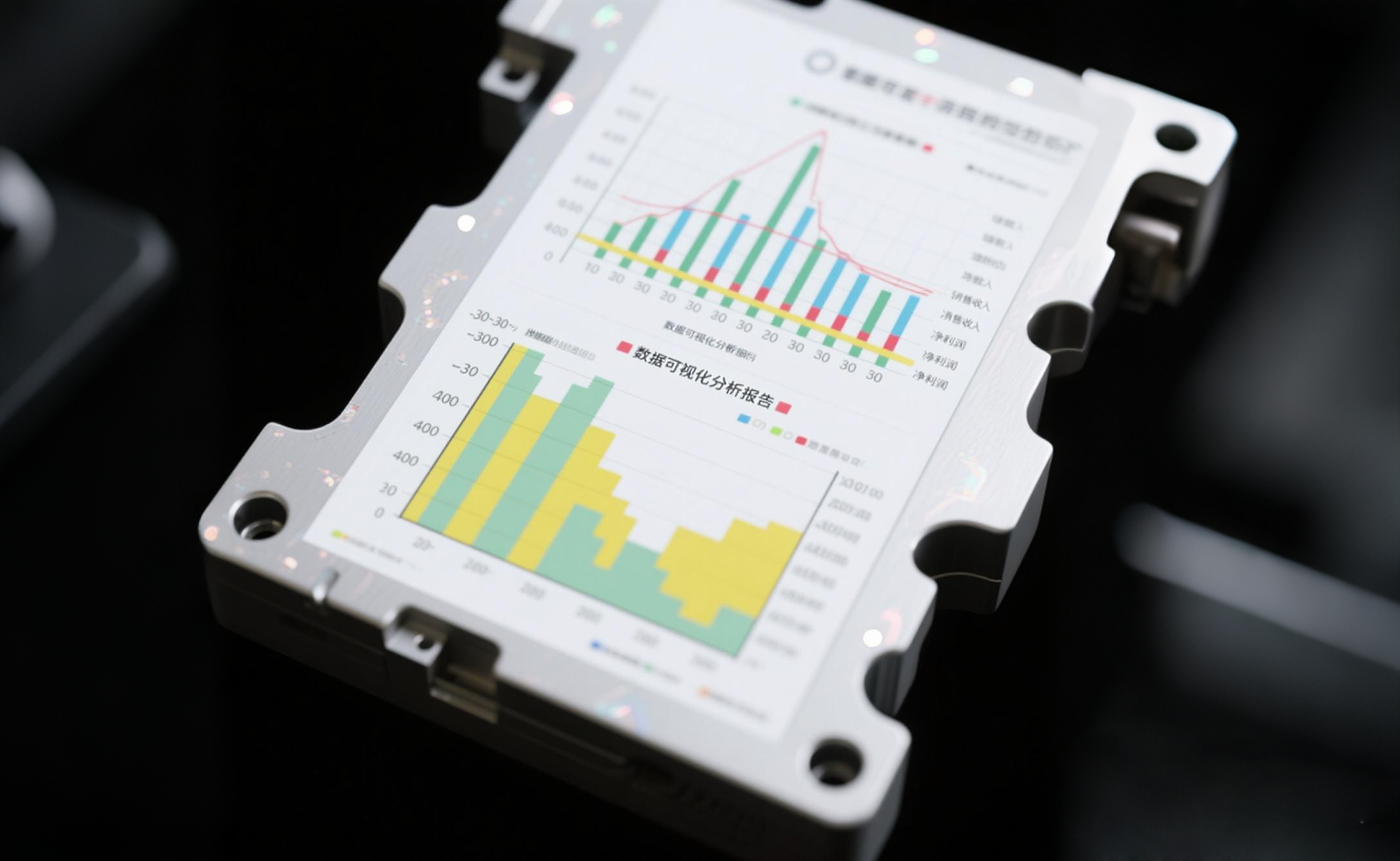
Precise Melt Temp Control: PA66-GF30 maintained at 285±3°C (supplier-recommended median)
Velocity Profiling: 30mm/s near gates to prevent jetting → 65mm/s high-speed fill
V-P Switch Optimization: Transfer at 98% cavity fill to avoid overpacking/short shots
Packing Pressure Curve: High initial pressure (85% peak) + linear decay for shrinkage compensation
Cooling Water Management: ≤3°C inlet/outlet delta + flow meters ensuring turbulence
Consistent Plastification Backpressure: 15Bar (prevents density variations)
Moisture Response Protocol: For POM with 0.1% humidity increase, reduce speed before raising temperature
Zero Cycle Loss: Immediate cooling phase after gate seal
Micro-Venting: 0.015mm venting inserts in trapped gas zones
Smart Monitoring: Cavity pressure sensors providing real-time PvT data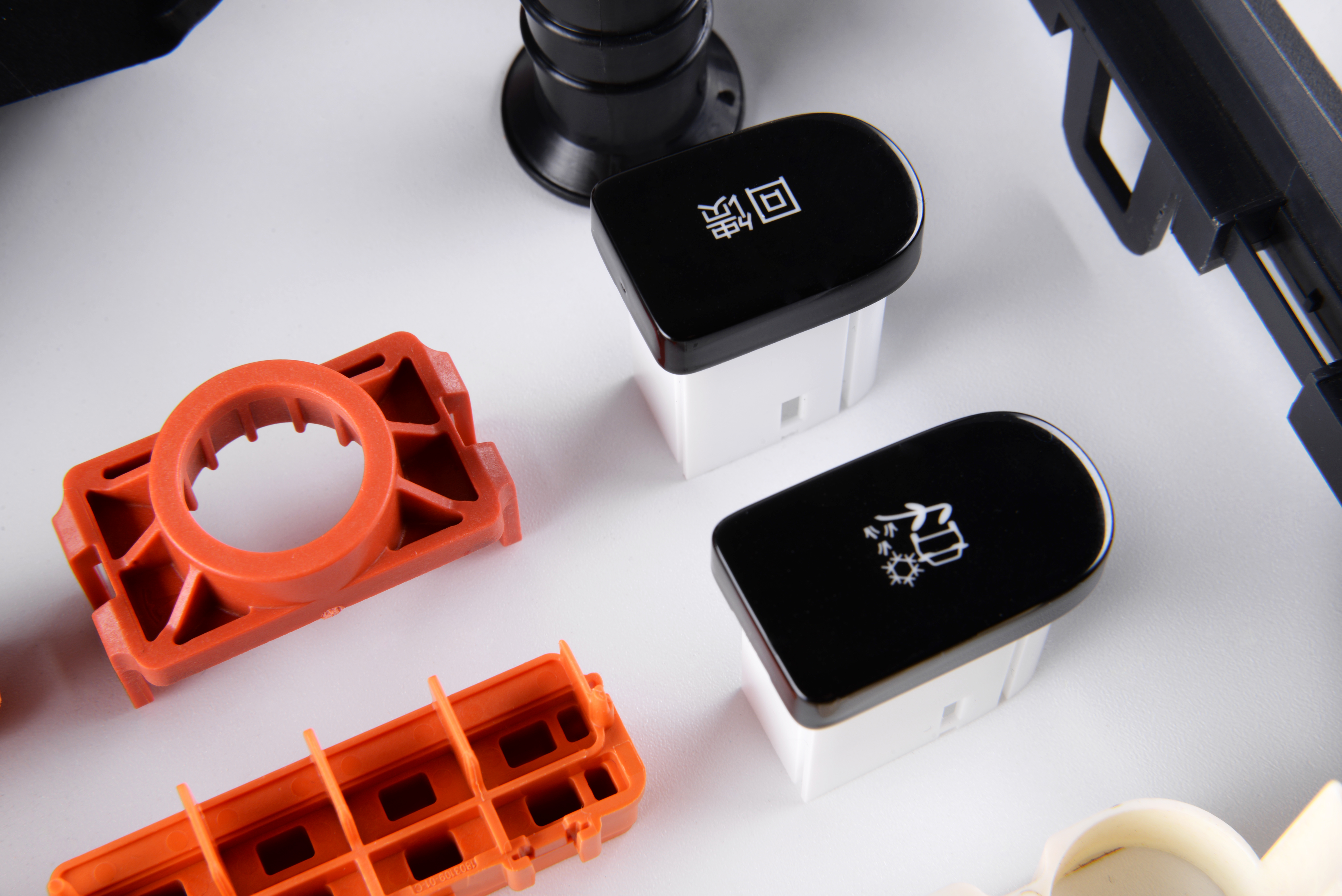
Guangdong manufacturing cluster data shows "Centralized Smart Factories" cut SME production costs by 25% via:
Centralized equipment monitoring (2,500+ networked machines)
Cloud-based parameter sharing
AI-driven production scheduling
Resulting in 40% faster mold changes and 18% energy reduction.
Baihao’s IoT-enabled process tracking collects critical parameters (injection pressure, mold temp, etc.) every 3 seconds with AI-powered anomaly detection.
15 years specializing in electronics & automotive molding with unique capabilities: Proven applications:
Ultra-Thin Electronics: 0.4mm wall thickness with Mg alloy inserts (99% yield)
Weather-Resistant Auto Parts: PPA intake manifolds passing -40°C/150°C thermal cycling
Optical Components: Light guide plates >91% transmittance, <1.5% haze
In precision molding, every parameter fluctuation threatens quality integrity. Baihao’s scientific methodology replaces "educated guesses" with data-driven decisions to deliver:
✅ 50%+ improvement in dimensional stability
✅ ≤3 trial runs for new molds
✅ Mass production Cpk ≥1.67
Take Action: Comment "Process Audit" for a customized optimization report or visit our Case Study Library for automotive connector molding analysis
Precision Born from Science, Stability Engineered by Control


